Animal world
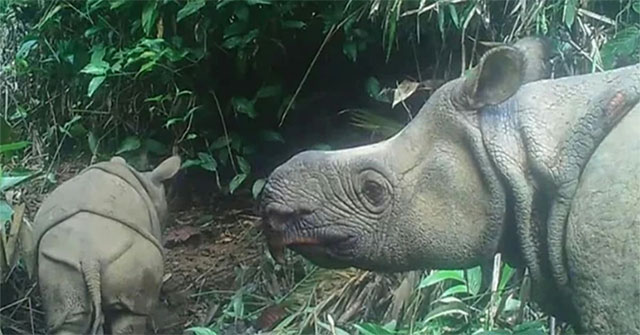
The rarest animal on the planet, there are only 80 left in the world
This animal, characterized by a single horn, was once found throughout northeastern India and southeast Asia.
Browse ScienceInfo articles and explainers related to Animal Planet.
33 published items.
This animal, characterized by a single horn, was once found throughout northeastern India and southeast Asia.

When encountering these animals, it is best not to provoke them to prevent unpredictable situations from occurring.
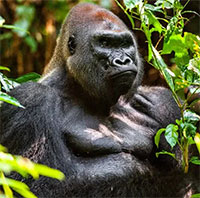
A healthy human can lift 1.5 times his body weight. However, this is nothing compared to the strongest animals in the natural world.
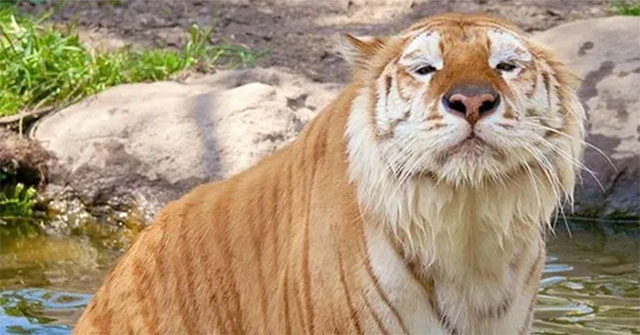
The animal is the result of a genetic mutation that changes its fur color. Worldwide, only about 30 individuals are kept in zoos.
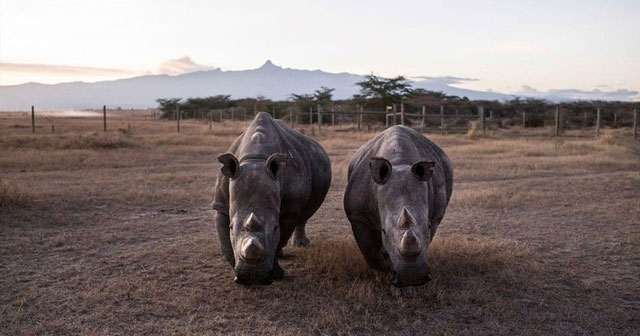
This animal is extremely rare, there are only two individuals left in the world and scientists are trying to save this species from extinction.
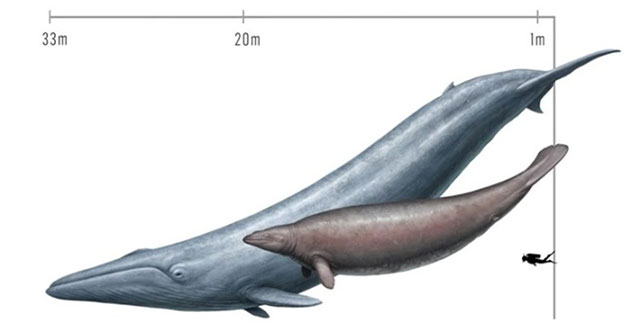
New research results show that the ancient whale Perucetus was very large but still inferior to today's blue whales.
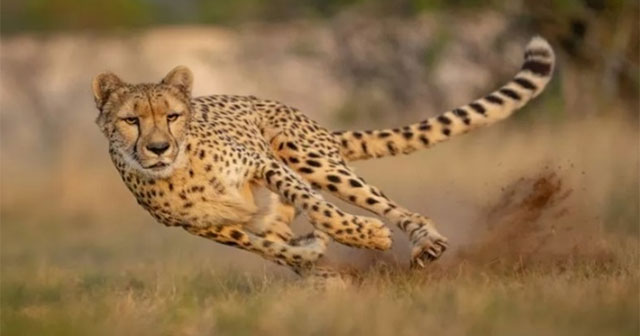
Scientists discovered that cheetahs can run faster than 100km/h thanks to their appropriate body weight.
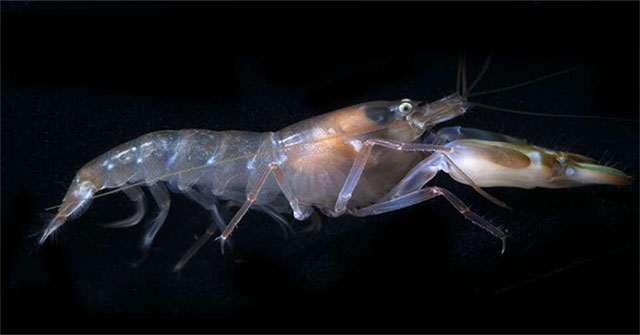
Famous for its oversized pincers, gun shrimp has also been discovered by researchers to have the fastest eyes on the planet.
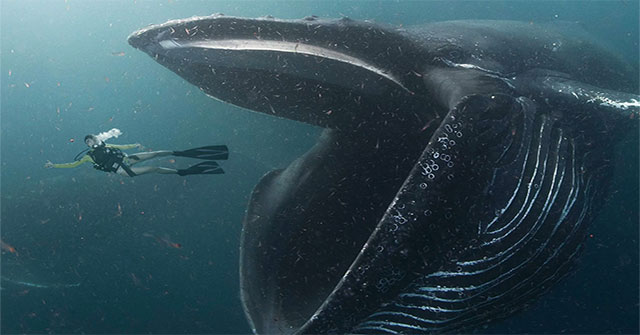
You've probably seen many movies as well as heard many stories about the whale adventure. Giant animals are even bigger than the house we live in.

No one expected a lonely wild dog, lying alone in the corner of the garden, to be an extremely rare and endangered creature.

No one else is the owl. With nocturnal lifestyles, not only are the superior predatory birds, owls are always a mysterious animal.
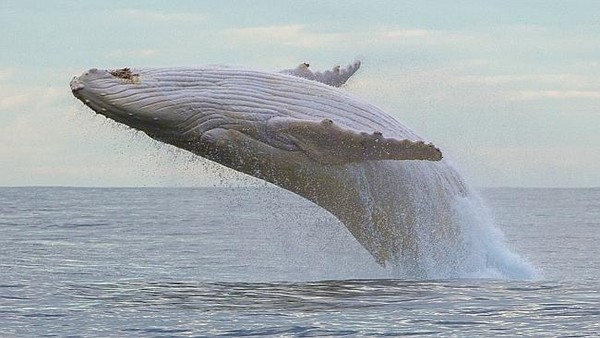
Recently, biologists were surprised by the appearance of a humpback whale off the Gold Coast, Australia. However, what makes this animal more interesting is because this…

The world's poorest face fish is facing the risk of extinction, the oceanographers informed.
Recently scientists have concluded that the dinosaur fossil found in 2008 belongs to a completely new giant dinosaur.
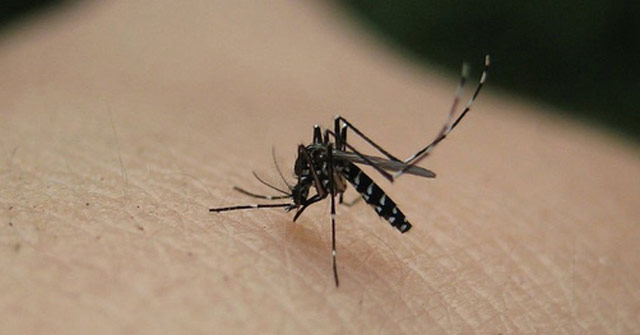
This is all for the purpose of minimizing disease-related deaths from mosquitoes.